
bedtime / A practical guide
A bedtime plan when your 2-year-old resists the next step
Keep the adult plan short, make familiar materials ready and focus on one transition rather than a whole evening overhaul.

A place to start
Choose one part of bedtime to make clearer: starting, moving to the quiet activity or saying goodnight. For a two-year-old, a short sentence and a visible next step are practical options to adapt to your child, not developmental rules that predict a sleep outcome.
Choose the part you can actually prepare
Describe one moment, such as “we were still looking for the book after bath time.” That gives you a concrete preparation task. A broad goal like “no bedtime battles” is harder to translate into something an adult can do before the evening begins.
Keep ordinary care needs in view. The routine should fit the household, the available caregiver and the materials you use. An example chart from another family is a reference, not a schedule your two-year-old has to match.
Use a familiar sequence as the shared reference
Write the few steps you already intend to use and prepare their materials. You could choose a familiar book, quiet song or another calm activity that fits your family. Our free planner asks which activity feels familiar rather than assuming every child prefers the same one.
Practice the short sentence before the moment. “Our book is ready; let’s sit together” is an example of describing the next action. Change the wording to fit your usual care, and stay available to respond to your child’s needs.
Review the plan without grading the evening
Ask first whether there was a bedtime opportunity. If you did not use the plan, say whether you forgot it, found it impractical or needed to change course. If you did use it, record how useful it felt separately from how quickly your child slept.
Persistent sleep difficulties and unusual distress require more than a web routine tool. Your child’s clinician can discuss individual concerns. CalmerTurn provides educational planning and a way for caregivers to remember what they tried; it does not assess sleep needs or choose treatment.
Sources and limits
For broader pediatric guidance, read American Academy of Pediatrics: Toddler Bedtime Trouble. The household examples and planning exercises on this page are our editorial suggestions; they have not been independently clinician-reviewed or tested as treatment.
CalmerTurn is an early educational product. We do not claim clinical outcomes, expert endorsement or results from families who have not used it. For persistent concerns, unusual distress, sleep or developmental worries, talk with your child’s clinician. How we write and measure →
Keep the next step connected.

A short bedtime routine for ages 2–5
Make a familiar evening sequence that caregivers can prepare, use and revisit after an actual bedtime opportunity.
Read the guide ↗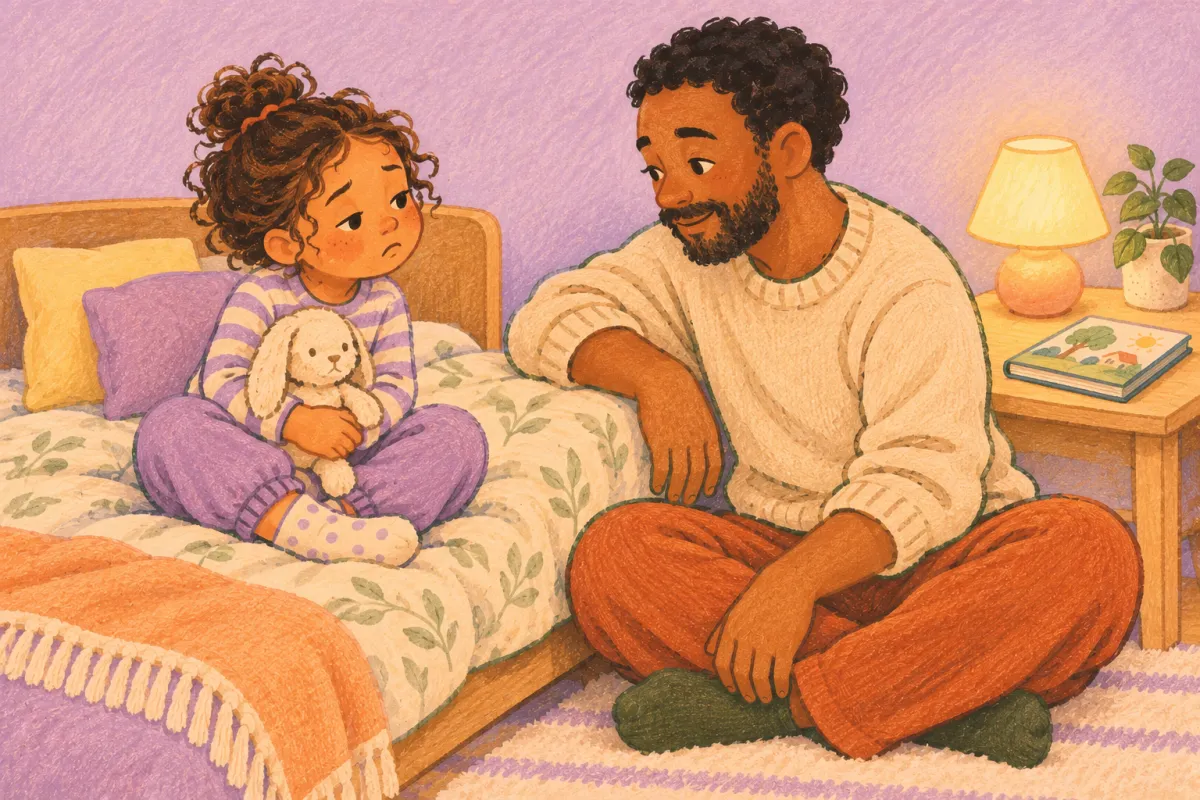
Plan for “one more” at bedtime
Prepare ordinary needs and a familiar ending before the final goodnight, then notice what fits.
Read the guide ↗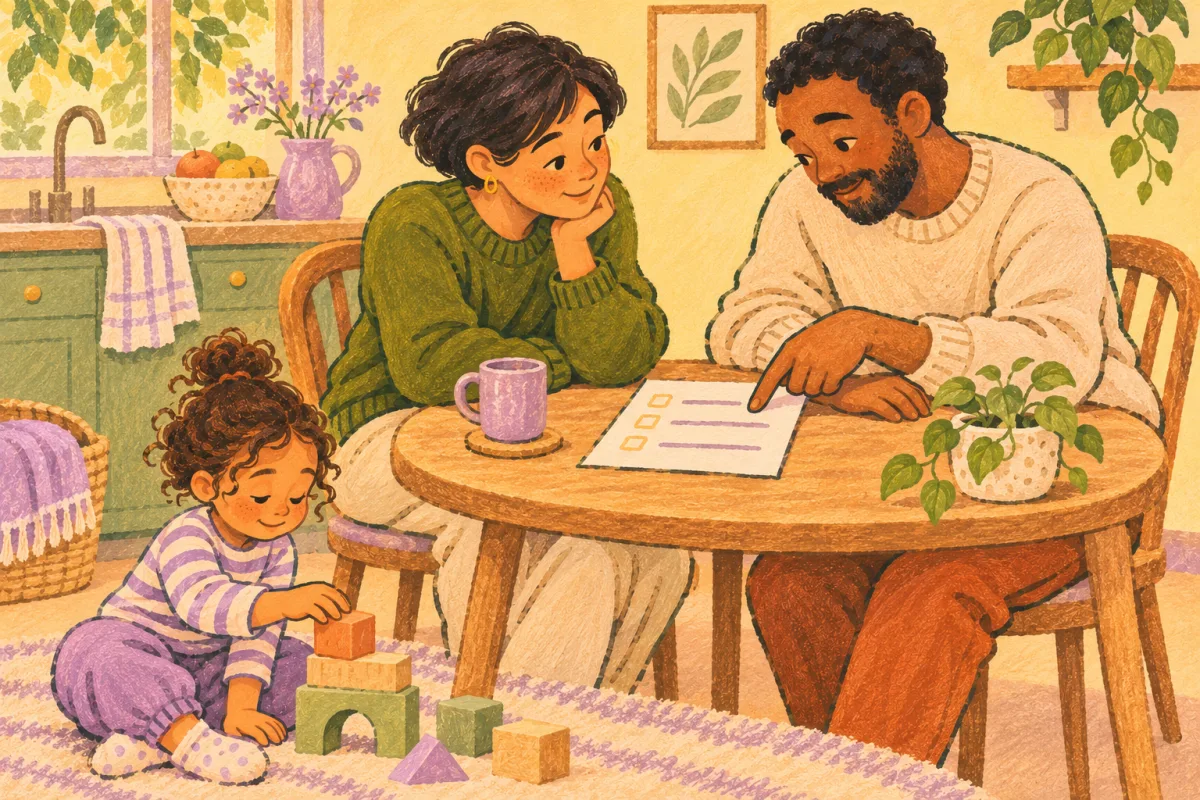
A bedtime handoff another caregiver can use
Share the order, familiar materials and last useful observation with the adult helping at bedtime.
Read the guide ↗